
The Real Cost of a Traditional BBA in India That Nobody Calculates
Most families calculate the tuition fee when budgeting for a BBA in India. The real cost is two…

May 25, 2026
Experiential learning is the most overused phrase in Indian higher education marketing and one of the most underdelivered promises in Indian higher education practice. Every college with a guest lecture series and a three-day industry visit now claims to be “experiential.” Understanding what experiential learning actually means — structurally, not rhetorically — is essential for any student or family evaluating business programmes in 2026, because the difference between genuine experiential education and its imitation is the difference between graduating work-ready and graduating work-educated.
The term comes from David Kolb’s Experiential Learning Cycle (1984), which describes how learning happens: concrete experience → reflective observation → abstract conceptualisation → active experimentation. The cycle is not completed by attending a lecture about an experience. It requires the experience itself — and genuine reflection on what it produced.
In a business education context, genuine experiential learning means:
An industry visit is not experiential learning. A case study discussion is not experiential learning. A three-month internship where you sat in meetings and shadowed a manager is not experiential learning. These have value — but they are approximations of experience, not the thing itself.
The research on experiential learning in business education is consistent across decades and geographies. Students who engage with real projects, live clients, or structured apprenticeships during their degree:
Experience does not just add to knowledge. It changes how knowledge is applied — and application is what careers are built on.
Work-integrated learning models — which combine formal degrees with structured professional work — are growing fastest in countries with the clearest employer-education feedback loops. In Australia, Canada, Germany, and Singapore, work-integrated programmes are mainstream rather than alternative. Apprenticeship models in Germany and the UK are well-established as superior career preparation pathways for a significant portion of each graduating cohort.
India is at the beginning of this shift. The National Education Policy (NEP) 2020 explicitly encourages experiential and work-integrated approaches. The National Apprenticeship Promotion Scheme (NAPS) provides financial infrastructure for apprenticeship delivery. And employers increasingly flag practical skills and real-work experience as the primary differentiators between employable and unemployable graduates.
Let’s Enterprise’s Working BBA is built around the genuine version of experiential learning — not the marketing version. Students complete 4 real apprenticeships at actual companies and 13 live client projects across Marketing, Finance, and Operations. Every deliverable is real. Every client is real. Every consequence is real. The degree — a UGC-approved BBA from DY Patil University or Pune University — is earned in parallel.
The programme starts at 17, which means students enter the professional world at 21 with 15 months of documented real-work experience, a UGC-approved degree, and the professional judgment that most graduates spend three post-graduation years trying to build. 50 seats for August 2026 in Pune.
The real version of experiential learning — not the brochure version.
Let’s Enterprise’s Working BBA: 4 real apprenticeships, 13 live client projects, and a UGC-approved degree from DY Patil University or Pune University. Starts at 17. 50 seats, August 2026.
Experiential learning in business education means placing students in real-world business situations — with real clients, real deliverables, and real consequences — rather than simulating these situations through case studies or classroom exercises. Genuine experiential programmes integrate live client work and professional apprenticeships into the degree structure from the first semester.
Traditional education delivers knowledge through lectures, textbooks, and examinations — students learn about business by studying descriptions of it. Experiential education delivers learning through real practice — students learn business by doing it, making real decisions, receiving real feedback, and experiencing real outcomes. Research consistently shows experiential approaches produce more career-ready graduates.
Because business careers require judgment, not just knowledge — and judgment develops only through practice with real consequences. Graduates who have managed real projects, worked with real clients, and made real decisions under pressure adapt faster to professional environments, earn more in their first roles, and build stronger professional networks than those who have only studied business theory.
Yes — when delivered through UGC-recognised programmes. Let’s Enterprise’s Working BBA awards a UGC-approved degree from DY Patil University or Pune University alongside real apprenticeship and project experience. Both the credential and the experience are recognised by Indian employers, universities, and government institutions.
Let’s Enterprise’s Working BBA in Pune is India’s leading experiential business programme for post-12th students. It combines a UGC-approved BBA from DY Patil University or Pune University with 4 real apprenticeships, 13 live client projects, and 15 months of structured real-work experience — starting at 17, with 50 seats for the August 2026 cohort.


Most families calculate the tuition fee when budgeting for a BBA in India. The real cost is two…
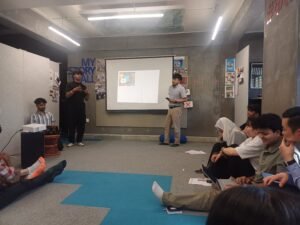
Work-integrated education — earning income and building professional experience while studying for a degree — is growing fast…
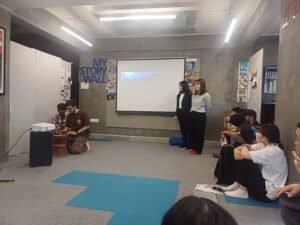
'Communication skills' is the most common hiring requirement in India — and the most misunderstood. Here is what…
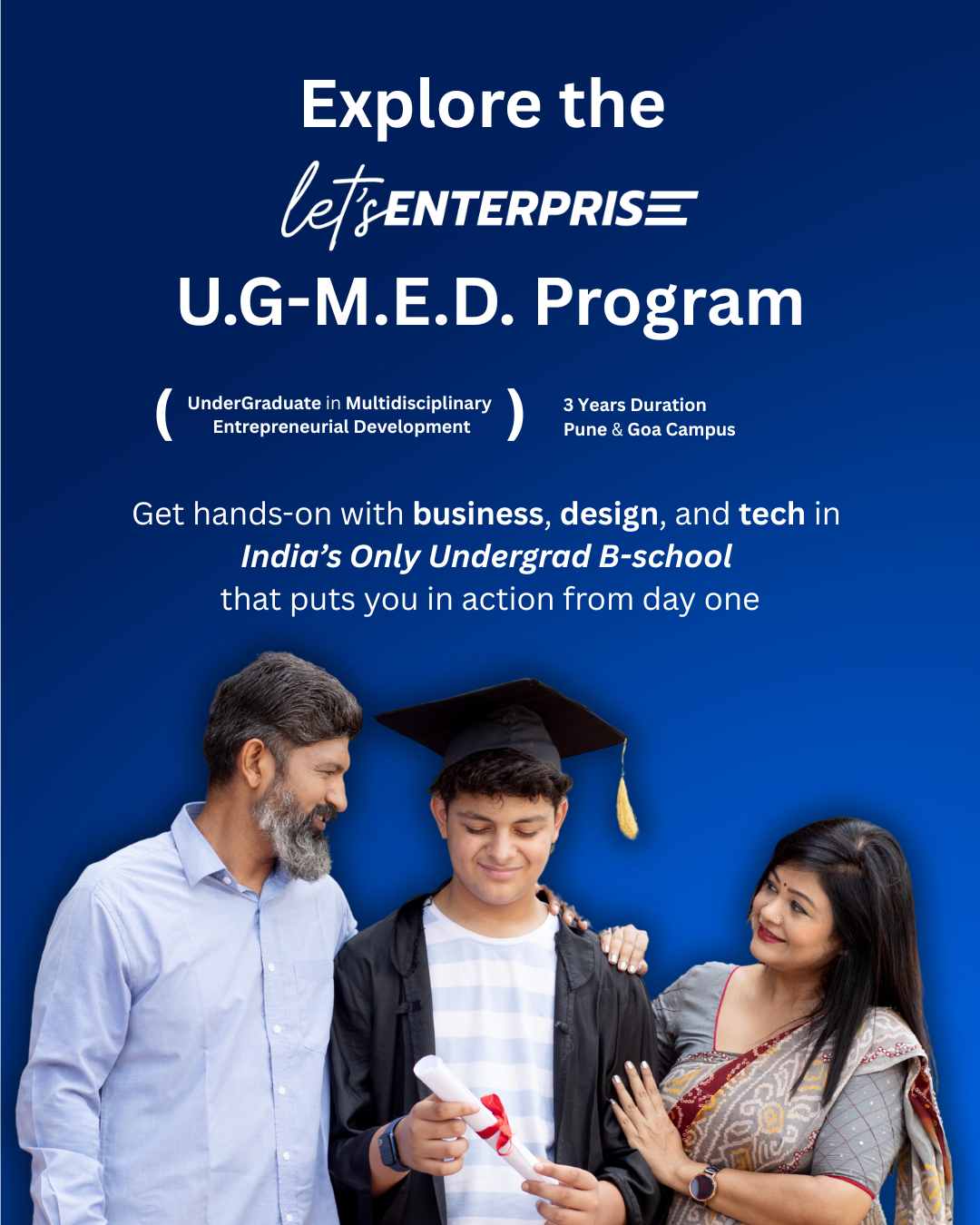
Let's Enterprise is a pioneering educational institution that empowers students with hands-on business skills through its unique UG-M.E.D. program. With campuses in Pune and Goa, it bridges the gap between traditional learning and real-world experience, shaping the future of tomorrow's entrepreneurs.
Discover how our first-year students are actively engaging in real-world business projects, guided by facilitator Sharjeel Shaikh.